Service
Commercial Mold Remediation
Hiring a commercial mold removal company can be a tough task. We connect you with qualified commercial remediation experts, and our 24/7 support center assesses the mold and puts you in touch with a highly rated, licensed, bonded, and insured company.
Why commercial mold is a bigger problem
Mold can be difficult to remove, difficult to detect, and it pollutes the air. Left alone it threatens the structural integrity of the property.
Commercial properties raise the stakes: mold there can disrupt your organisation, make you, your staff, and your customers sick, and cost a great deal of money.
The types of mold found in commercial properties
Molds come in many shapes and sizes, but five turn up most often in both household and commercial settings.
- Alternaria — starts its life cycle outdoors and is generally carried inside by dry summer winds.
- Aspergillus — grows more frequently indoors, and can be extremely harmful if inhaled.
- Cladosporium — less toxic than aspergillus, but known for triggering asthma episodes.
- Penicillium — the easiest to identify thanks to its greenish or yellowish tint, and dangerous to inhale in quantity.
- Stachybotrys — black mold, the one that undermines the structure of a commercial building.
Mold or mildew?
The difference shows in the look of it. Mold is slimy and green; mildew is powdery and white. The more serious point is that mildew, unlike mold, does not eat into the material it sits on.
What causes mold in commercial buildings
Mold growth is caused mainly by moisture that is not regulated — a leaking roof, a faulty plumbing fitting, a flood that was never fully dried. If spores land on a damp spot they digest the moisture and start growing, which is why remediation matters the moment you find it.
How to prevent it
Prevention is cheaper than remediation, and most of it is maintenance.
- Address leaks quickly, whether they come from the roof or from failing plumbing. It protects against water damage as well as mold.
- Use a dehumidifier and keep humidity in the building below 50%.
- Ventilate properly: keep air filters and vents clean, and keep enclosed spaces dry.
- Deal with flooding immediately, before standing water soaks into floors, walls, and furniture.
What professional removal looks like
Experienced crews handle the infestation and the excess moisture behind it. The root cause is usually a leak, and it frequently surfaces once the experts are on site. Mold has to be removed along with the moisture feeding it.
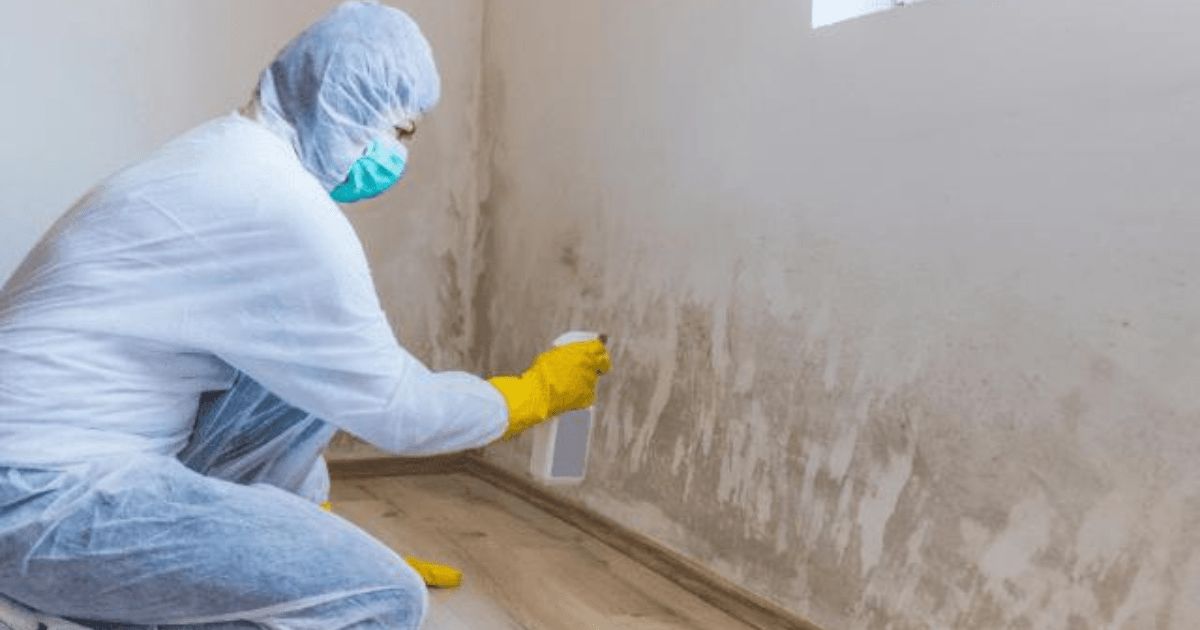
Technicians arrive in personal protective equipment and have been through safety training. The service normally includes inspection, a health and safety evaluation, and technical reports, and many crews can pack and store your possessions during the restoration.
Do not try to remove commercial mold yourself. A professional firm is equipped to deal with it and can resolve the problem safely.
What commercial mold remediation costs
You can attempt remediation yourself, but hiring a professional means paying for the assessment, the containment, the removal, and the drying. Commercial mold remediation runs roughly $15 to $31 per square foot on average.
How long it takes
That depends on the severity of the situation and the size of the contaminated area, which matters if the work means pausing operations. A professional company can give you a written plan with the timeline in it before the work starts.
On this page
Our services
Mold services we connect you with
24/7 emergency response
Found mold? Do not wait it out.
Mold spreads within days and damages both air quality and the materials around it. Call now, and a local crew will take it from here.