Service
Residential Mold Removal
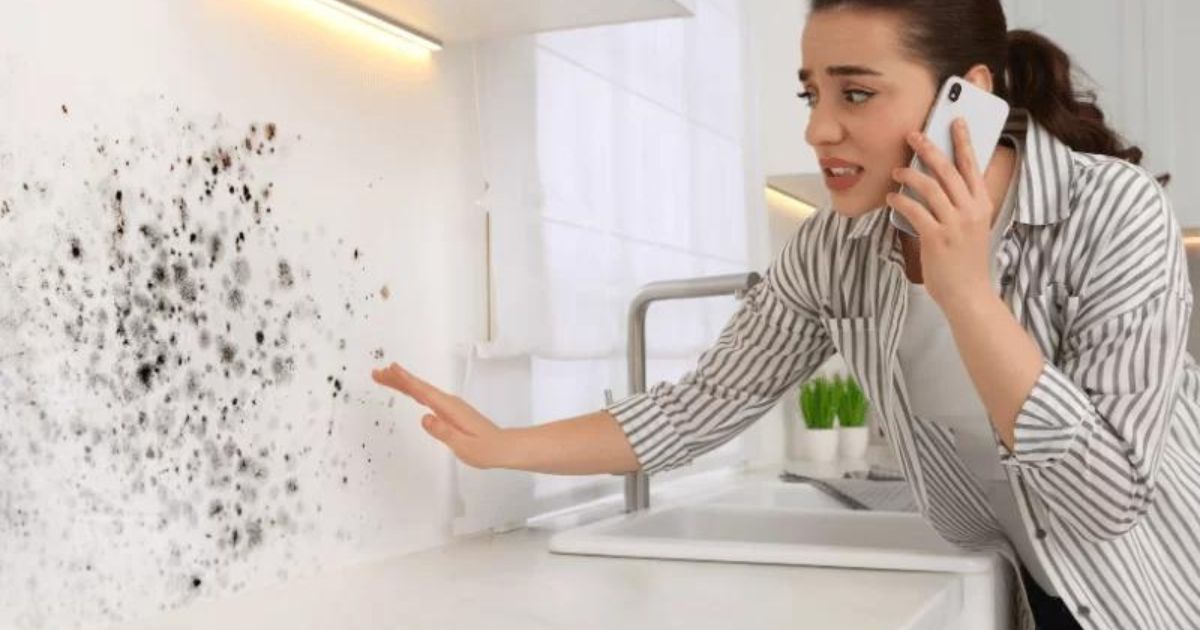
Your home matters more than anywhere else. If you suspect it has mold and need a residential removal company, call us. We connect you with a licensed local crew that works to keep your family safe and the damage contained, removing the mold and its odors, then treating surfaces to reduce the chance it comes back.
A simple, positive experience
Hiring the right company should be easy. Our 24/7 call center assesses the problem and connects you with a highly rated, licensed, bonded, and insured local crew that handles the rest.
Where mold shows up, room by room
Mold follows moisture, so it concentrates in the same handful of places in most homes:
- Bathrooms — shower steam with weak ventilation feeds growth on ceilings, grout, and behind the vanity.
- Kitchens — leaks under the sink and behind the dishwasher or fridge sit unseen until the cabinet swells.
- Basements — below-grade walls and floors stay cool and damp; see our basement mold removal page.
- Attics — roof leaks and blocked soffit vents trap warm, moist air against the sheathing.
- Around HVAC — condensate lines, drip pans, and sweating ductwork keep nearby surfaces wet year round.
Protecting a home people are living in
Removing mold in an occupied house is different from gutting an empty one. The crews we connect you with seal the work area with plastic containment and run HEPA air filtration so spores do not drift into bedrooms or the kitchen while the job is underway. Walkways get protected, and the affected rooms stay off-limits until the work is done.
That matters most for the people who react to mold first — infants, older adults, and anyone with asthma or a weakened immune system. A good crew plans the job around keeping those household members, and pets, out of the affected air until clearance confirms it is safe.
The moisture problems that bring it back
Removal that ignores the water source is a temporary fix. The same spot grows back within weeks unless the cause is corrected. The common culprits in a home:
- Plumbing leaks under sinks, behind toilets, and at supply lines that drip slowly for months.
- Roof and gutter problems that let water track into the attic and down exterior walls.
- Poor ventilation in bathrooms and laundry rooms, where humid air has nowhere to go.
- Condensation on windows, cold-water pipes, and uninsulated walls during temperature swings.
- Grading that slopes toward the foundation, pushing groundwater against basement and crawl-space walls.
On this page
Our process
Our 6-step mold remediation process
The same careful process on every job, from the first call to a thoroughly cleaned and sanitized space.
-
Call MoldRemediation.io
Reach our 24/7 support center and tell us what you are seeing.
-
Mold inspection
A local technician assesses the mold and finds the moisture source.
-
Mold containment
We seal off the area so spores do not spread during the work.
-
Air filtration
HEPA filtration captures airborne spores while the crew works.
-
Mold cleanup
The mold is removed and the affected materials are treated.
-
Sanitization
We sanitize the space and share tips to keep mold from returning.
Price ranges
What mold remediation costs
The honest answer is that it depends. So here is what it depends on, with the national ranges from our cost guide, before you pick up the phone.
- Independent professional inspection A standalone inspection with a written report. It can take up to six hours.$200 – $600
- Small surface job One contained area, such as a bathroom wall.$500 – $1,500
- Bathroom$500 – $1,333
- Crawl space$500 – $1,833
- Basement$833 – $3,167
- Attic Depends on the size of the attic and how easy it is to get into.$1,000 – $4,833
- Typical project What most homeowners pay. The national average is around $2,325.$1,500 – $3,150
- Large or structural work$3,000 – $6,000
National averages, not quotes. General pricing runs about $15 to $30 per square foot, and labor about $75 to $120 per hour. An inspection is the only way to get a real number for your home. Read the full cost guide.
Why do two similar jobs come out at different prices? See the five things that move the number
In the order they hit your invoice. The bars show how much each one actually moves it.
-
How much of it is porous
Tile and concrete get cleaned. Drywall, insulation, carpet padding and cardboard get removed and replaced. That split is most of the invoice.
Impact on price: 5 of 5. Biggest single factor
-
Whether the water is still coming in
Remediation on a wall that is still getting wet is money spent twice. Some jobs need a plumber or a roofer first. The crew will tell you if yours does.
Impact on price: 4 of 5. Can double the job
-
How hard it is to reach
A crawl space you have to belly-crawl through costs more than a basement you can walk into, for the same square footage.
Impact on price: 3 of 5. Adds labor hours
-
Which category the water is
Clean supply water, gray water from appliances and sewage are three different protocols, with three different price levels.
Impact on price: 4 of 5. Changes the protocol
-
Whether it needs clearance testing
For a rental, a sale or an insurance claim, you usually want the post-work test. For your own peace of mind, it is optional.
Impact on price: 2 of 5. Optional in most homes
Why homeowners call us
Local crews, no guesswork.
- Vetted independent prosWe match you with vetted independent pros in your area.
- 24/7 emergency responseWater damage spreads fast — our support center answers day or night.
Wondering what it costs? Our mold remediation cost guide breaks down typical price ranges by severity.
FAQ
Frequently asked questions
How much does residential mold removal cost?
Home mold removal typically falls between $1,500 and $3,150 for an average job, or about $15 to $30 per square foot. Small bathroom spots sit at the low end; widespread growth or mold inside walls, attics, or crawl spaces costs more. The local crews we match you with give a written estimate after inspecting your home.
Is it safe to live in the house during mold removal?
For small, sealed-off jobs, yes, usually. Crews wall off the work zone with plastic and use negative air pressure to keep spores from drifting into living spaces. For bigger projects with heavy demolition or chemical treatments, you may need to stay elsewhere for a couple of days, particularly if anyone in the home has asthma or allergies. The crew will tell you what's safe for your situation.
How long does mold removal take in a home?
A small, single-area job often wraps up in one to two days. Multiple rooms, hidden growth, or projects that require rebuilding drywall and flooring can take three to five days or longer once drying time is included. The crew you're matched with will give you a timeline after the inspection.
Our services
Mold services we connect you with
24/7 emergency response
Found mold? Do not wait it out.
Mold spreads within days and damages both air quality and the materials around it. Call now, and a local crew will take it from here.